


 If you want to see every post I’ve written, starting with the most recent, this is the place to start!
 I’ve been traveling the globe solo, and many of my posts share thoughts and resources specifically for other solo travelers. If you’re a fellow solo traveler, or you’re thinking about solo travel, this is a collection you will find of interest.
 If you’re looking to read blog posts about specific destinations, click the country of your interest below to go to it’s blog page and get country-specific reviews and thoughts.
 Sometimes I write posts where I give insider information on certain cities I’ve visited, which may be more along the lines of places to go, how to save money, etc. If that’s your main interest, check out this compilation of posts.
 In 2020, I was traveling in New Zealand as the coronavirus pandemic brewed, and, got stuck there. If you want to read about what this time was like and traveling during this time, check out this page.
 At the heart of international travel is learning about the many different cultures and ways of being around the world. The posts compiled on this page speak, specifically, about the cultural observations I’ve had.
 Many of my blog posts are about things I’ve discovered about myself or about being, while I’ve traveled. If you’d like to focus on posts that only have self-discovery themes, click the button below.

The Mustard Shortage In France

FRANCE
Heather Markel, Writer, Speaker, Photographer, Traveler, Business Strategist
Who would ever have imagined?!
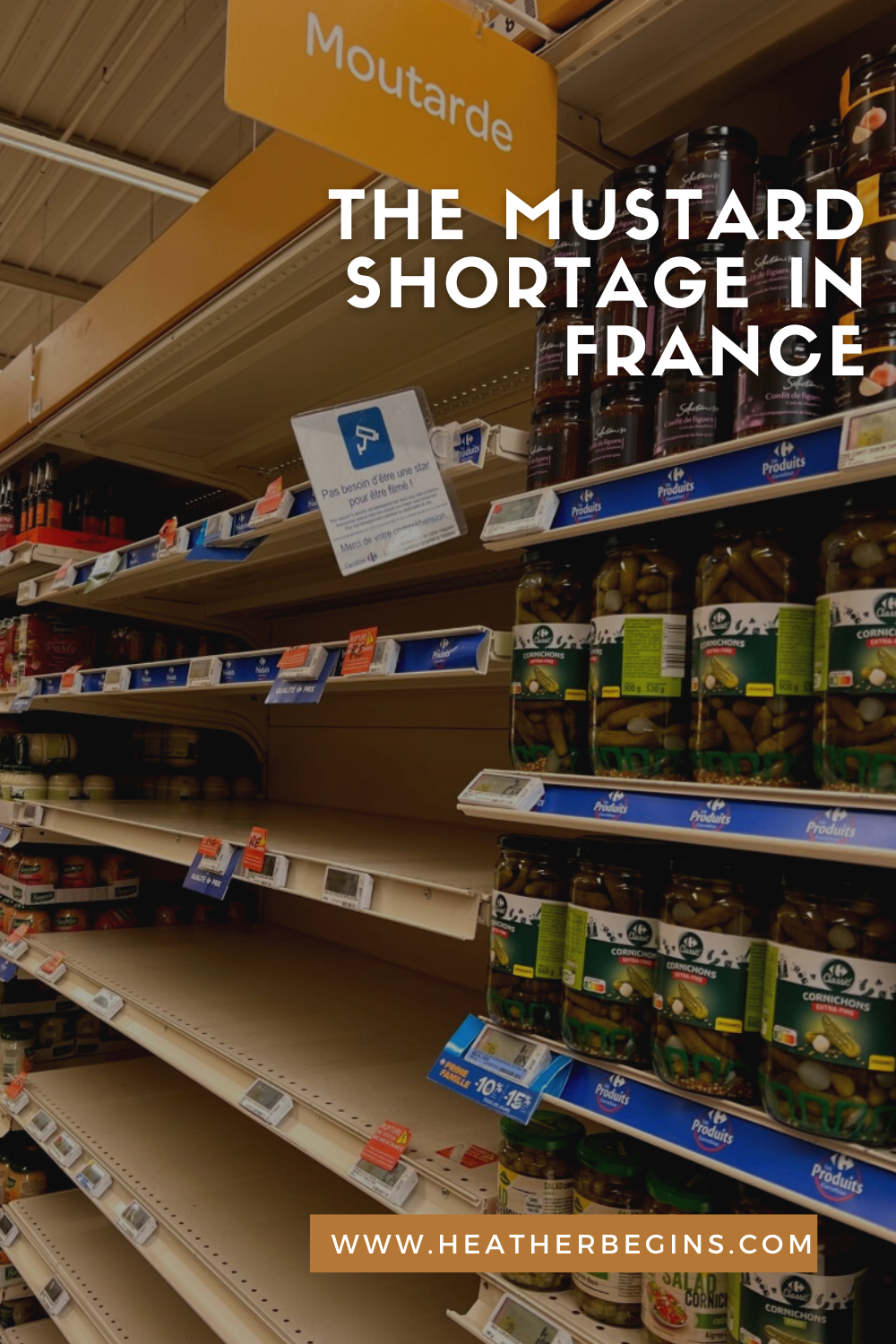
As I endure the pandemic, and continue traveling onwards, I continue to be dazed by the shortages that crop up. I escaped the toilet paper shortage while living in New Zealand, because it’s made in country and there was always enough to avoid a panic. Returning to New York, I was shocked to find my local pharmacy randomly closing due to a shortage of pharmacists. Then came baby formula. Now in France, I’m seeing something I never imagined; the mustard shelves are barren.

A haunting scene at a nearby Carrefour supermarket
I’ve been traveling to France for over 30 years. Even the Monoprix offers more mustard varieties than jam in America. The mind is overwhelmed by the potential for mustard “a l’ancienne” or perhaps you’d like one “qui pique” (more spicy) or add in some tarragon, or other herbs. You can find large bottles, small bottles, and guest sizes and drool at the potential this condiment has to bring out the flavors in your salad dressings, meat concoctions or a simple omelette. (Side note, it appears, even in France, people prefer the smooth mustard over mustard a l’ancienne, based on there being a few bottles left on the shelf…)
In stark contrast, this past week, I’ve eaten sausage with a smidgeon of mustard, trying to scrape enough of the spicy sauce from the side of the nearly empty glass jar for just one taste. I attempted to make up for the loss of available mustard with mayonnaise but it doesn’t come close to the tantalizing flavor I’m seeking. And ketchup simply doesn’t work for me with a good merguez.
One may well ask, WHY IS THIS HAPPENING? Apparently, climate change resulted in poor mustard seed crop growth in 2021. Like a fine wine, without the base ingredient, you just can’t produce the quantities. Add to this the war and bans mean that Russia and Ukraine, who are also in the top five list of countries to produce mustard seeds, won’t be exporting it.
The shortage of this condiment that, prior to now, I took for granted, presuming I could spread heaps of it onto my plate, has prompted me to research it’s saucy past.
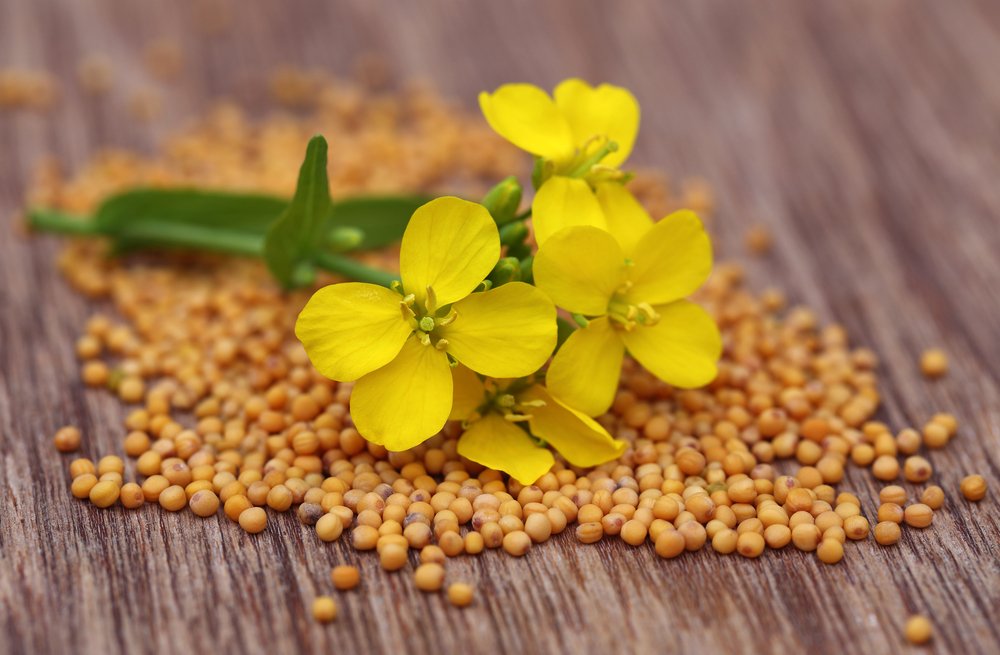
Seeds from the yellow mustard plant.
It seems that mustard originated in Ancient Egypt. The Greeks used it as a medicine and a spice. The Romans copied the Greeks and thought it could cure anything, up to the bubonic plague! (Hmmm, could it be a cure for Covid?) The Romans brought mustard into Northern France where it eventually became cultivated by Monks, and monasteries were making substantial income from its production by the 9th century. (source)
The prepared mustard we’re used to today began in Dijon in the 13th century. Pope John XXII of Avignon was apparently so enamored with mustard he created an official position of mustard-maker to the pope! French kings employed personal mustard makers, can you imagine?! There must have been mustard flowing in the streets at some point in the past, if only we could invent a time machine and bring some into today, alas! (source)
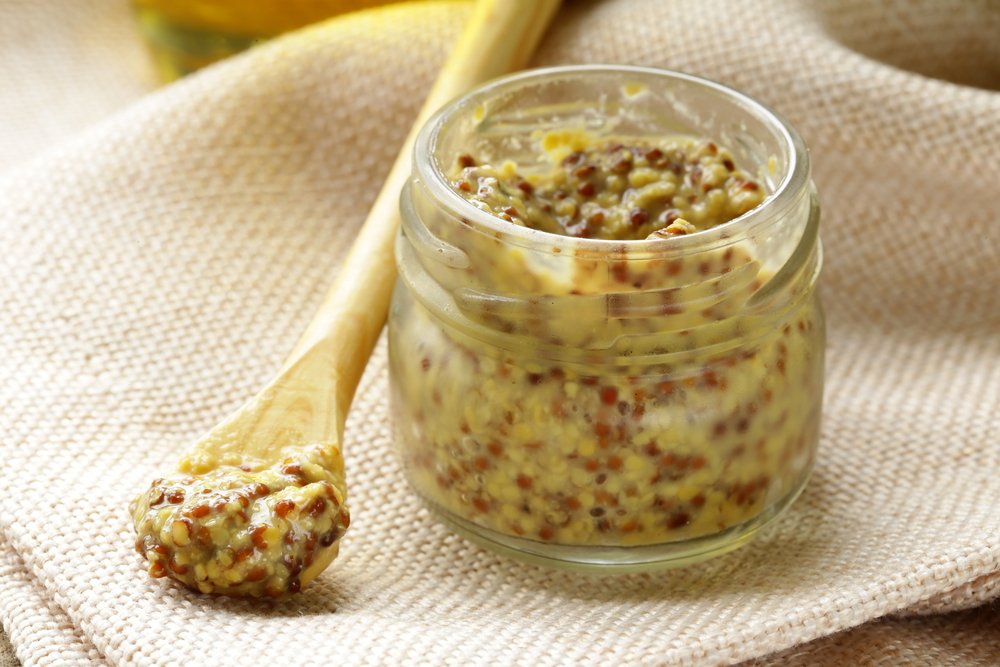
Since I’m currently in France, I looked into the history of Maille mustard as well. In 1792, Antoine-Claude Maille discovered the properties of vinegar which, apparently, saved many in Marseille from dying from the plague at the time. His son benefitted from his father’s fame, opened a shop in Paris, where he sold vinegar and mustard, and became the official mustard supplier to the court of Louis XV. (source) I would tell you, today, that you could walk into a Maille shop and find mustard variations you’ve never dreamed of, but, I’m afraid they may now only exist in our dreams.
It appears mustard is much more than a simple way to spice up our food, it has traveled the world, been a luxury sough after by kings and popes, and may even have saved a few lives from the plague. Only now that it’s gone have I even bothered to discover the importance it has held in human history, found even in the tombs of the pharaohs. I suppose I had better pray to the Egyptian gods to bring back the mustard in the world. Will you join me?





We were out of the country when the pandemic hit and were so surprised by things our friends at home said were in shortage. I could never understand the run on toilet paper. But it was very strange to read about the mustard shortage in France. Until I realized it was not just the shortage of local crops but was impacted by the conflict in the Ukraine. Fun that you looked into the history of different types of mustard.
I didn’t realize there was a mustard shortage! But, this week I learned there is also a sriracha shortage. The shelves were empty as well, and they don’t know when we will get it again. Very interesting read!
Oh my! It’s crazy how we’re running out of so many things. Interesting about the sriracha. 😩