If you want to see every post I’ve written, starting with the most recent, this is the place to start!
 I’ve been traveling the globe solo, and many of my posts share thoughts and resources specifically for other solo travelers. If you’re a fellow solo traveler, or you’re thinking about solo travel, this is a collection you will find of interest.
 If you’re looking to read blog posts about specific destinations, click the country of your interest below to go to it’s blog page and get country-specific reviews and thoughts.
 Sometimes I write posts where I give insider information on certain cities I’ve visited, which may be more along the lines of places to go, how to save money, etc. If that’s your main interest, check out this compilation of posts.
 In 2020, I was traveling in New Zealand as the coronavirus pandemic brewed, and, got stuck there. If you want to read about what this time was like and traveling during this time, check out this page.
 At the heart of international travel is learning about the many different cultures and ways of being around the world. The posts compiled on this page speak, specifically, about the cultural observations I’ve had.
 Many of my blog posts are about things I’ve discovered about myself or about being, while I’ve traveled. If you’d like to focus on posts that only have self-discovery themes, click the button below.
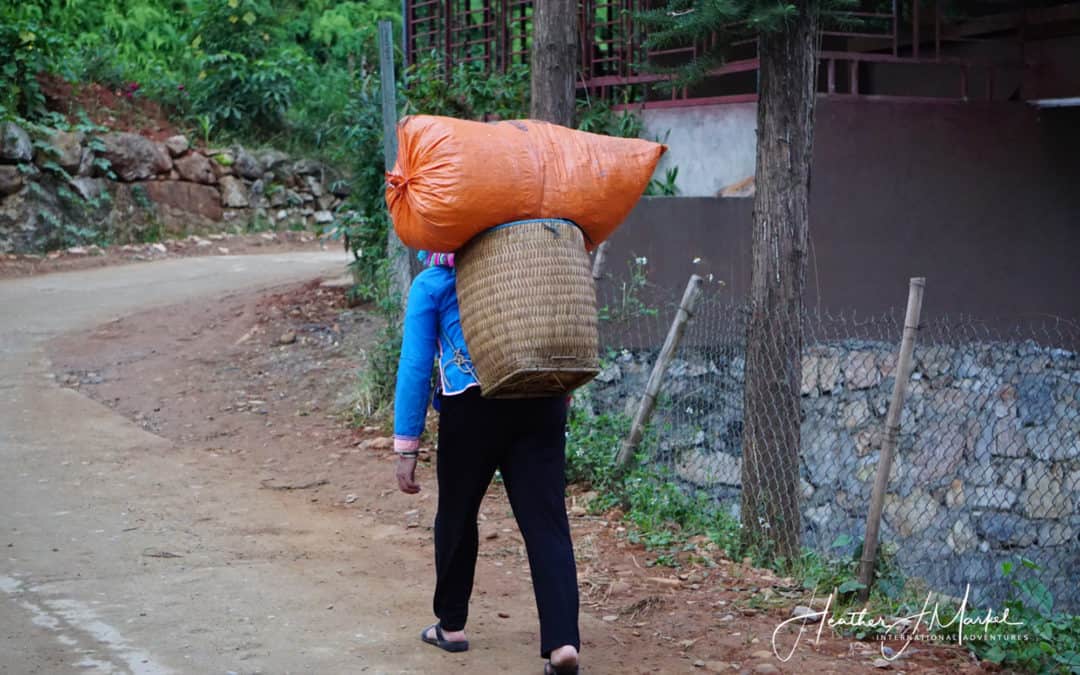
When Cultural Differences Hit a Nerve

Heather Markel, Blogger, Speaker, Adventurer
27 October 2018
Sometimes it’s hard to understand how other cultures live and what they accept.
In my last post I mentioned my delightful trek and visit to a small village outside Sapa in Vietnam. Our guide, Cu, explained how her people live, and I found myself bracing against my own feelings about what her people accept. Cu is from the village of Lao Chai, and her ancestors came from China about 800 – 1,000 years ago. They were colorful clothing, and seem to be a very happy culture.
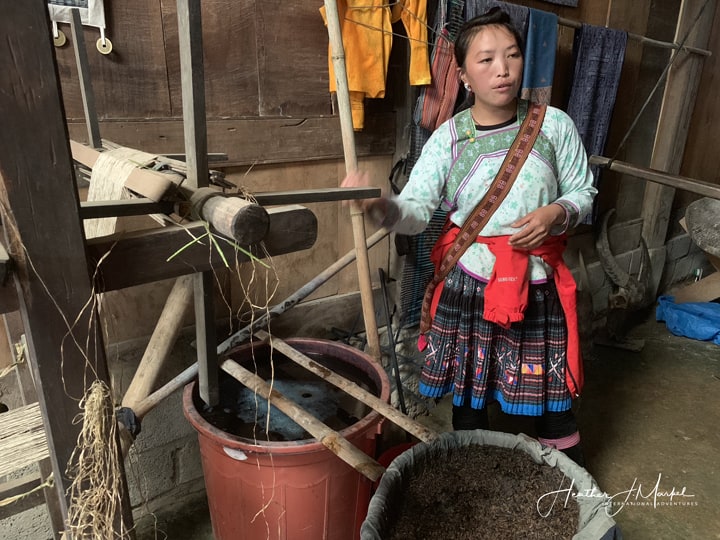
Cu demonstrates how fabric is handmade and dyed.
Photograph by Heather Markel, Copyright 2018
“Girls older than 18 are considered to old to marry in this small village!”
.
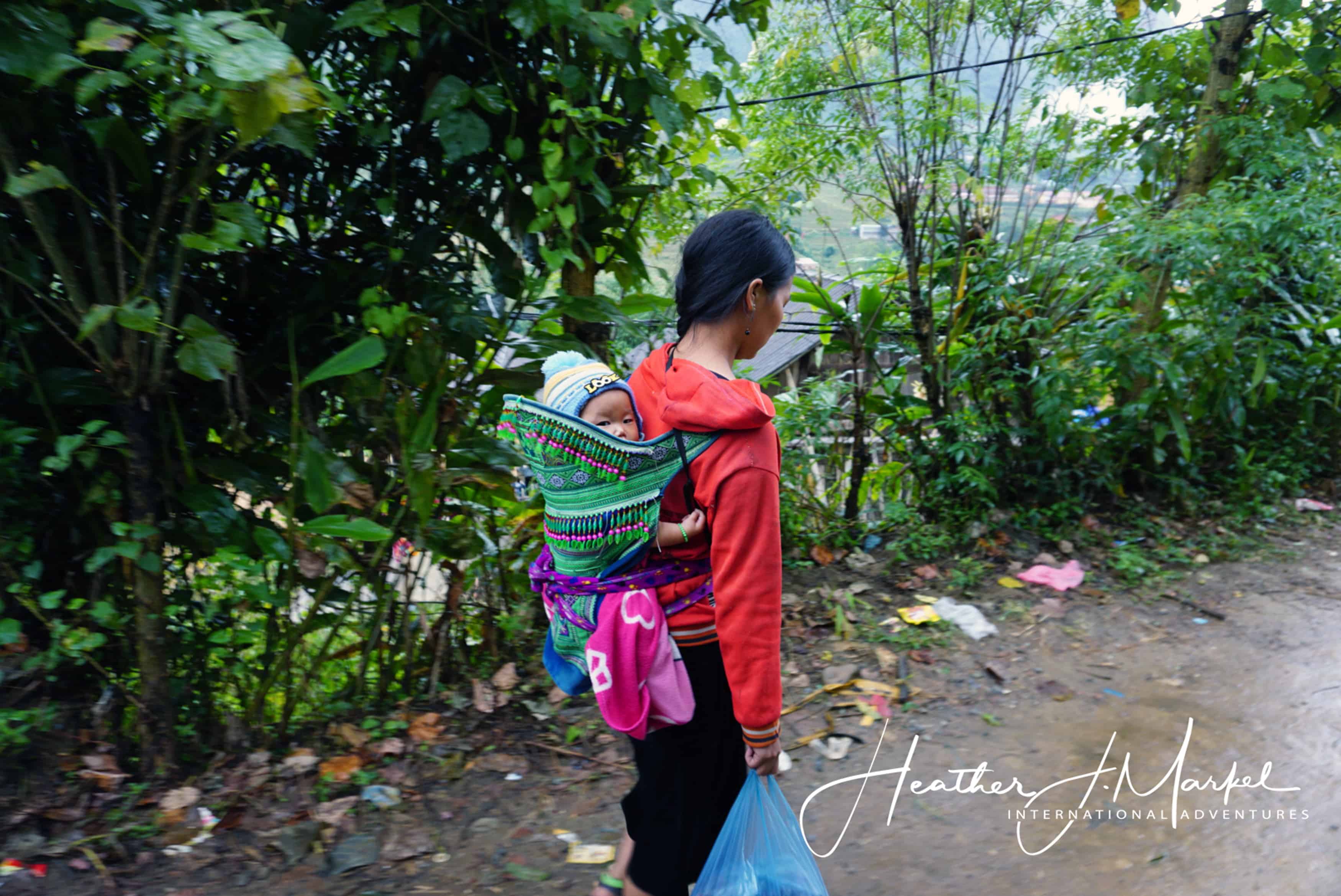
Woman carrying her baby.
Photograph by Heather Markel, Copyright 2018
.
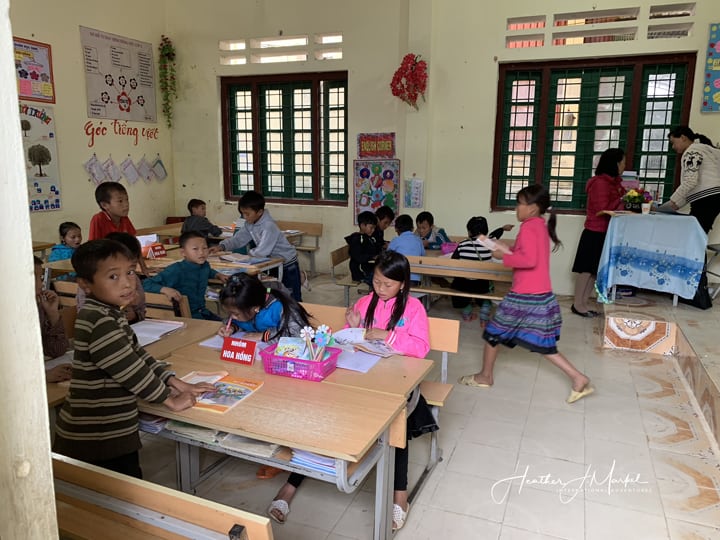


From what I saw, there is an abundance of children. In fact, the only people I saw outside in the village were very young. There were a lot of babies and parents. I think the oldest person I saw was 50 years old. Cu explained this is because elderly people are tired so they stay indoors. Typically they will look after their grandchildren and rest.
I look in at the grade school classroom and think about the future ahead for the girls and boys at each desk. I wonder how they feel about these roles. Cu says this life is how it is in her village, but outside in big cities, it’s very different. She currently lives in a home with her in-laws, two of her brother-in-laws, her new sister-in-law and 3 children, 2 of which are hers. Because that’s too many people in the house, Cu and her husband plan to build a house and move out within the next 2 years.